Florence’s Biblioteca Marucelliana: is a guided visit the same as using the library?

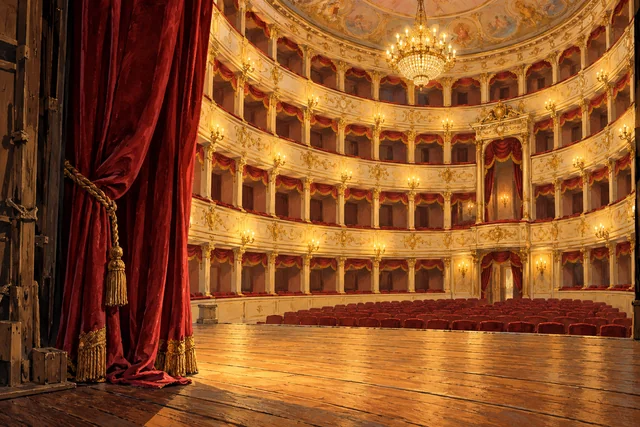
A beautiful library can make a traveller want two different things: to see the room and to use what it holds. At Florence’s Biblioteca Marucelliana, it is worth deciding which you mean before you arrive. A guided introduction to a historic collection and a request to consult a particular book are different activities, with different arrangements. Understanding that distinction helps you enjoy the building while respecting the people who come there to read and research.
Choose the kind of visit you want
The library’s guided-visit page offers visits by request on Thursday afternoons in two sessions, at 15:00 and 16:30. It directs applicants to send the specified booking form to its information service. Treat that as a request requiring confirmation, not as a promise that anyone can appear at the door for a tour. Check the current page and receive an answer before making the session the fixed point of your day.
If your real purpose is research, say so from the outset. Identify the title, author or collection that interests you, and use the relevant reader procedure. A general sightseeing enquiry gives staff a different task from locating a rare work or arranging consultation. You will get more useful help when you can explain clearly what you hope to do.
Notice what a public library means here
The Marucelliana’s history records its opening to the public on 18 September 1752, following Francesco Marucelli’s intention to establish a broadly useful library. Its account also describes a purpose-built library building and collections that have continued to grow. The institution therefore belongs to the history of making knowledge available, as well as to the history of preserving handsome old books.
The same introduction describes holdings that range beyond bound volumes to manuscripts, prints, drawings and opera libretti. This breadth is a helpful antidote to the idea that a historic library is simply a decorative room full of identical brown spines. Different forms preserve different kinds of work. A printed image, a handwritten letter and a performance text may require very different questions from the person studying them.
Look at the room without treating it as a stage set
During a confirmed visit, ask how the arrangement supports the library’s activities. Where does a visitor encounter the collection, and where does staff work begin? Which features are being explained as historical, and which belong to current use? You do not need architectural terminology to notice that an attractive interior is also a place with practical tasks to perform.
Keep your own movements considerate. Follow the permitted route, use photography only as allowed and avoid leaning over readers or their materials for a better picture. If the room is quiet, let that quiet remain useful to the people working in it. The privilege of seeing an active cultural institution includes recognising that your visit is only one of the activities taking place there.
Match the service to its actual hours
The service timetable checked on 30 October 2026 lists reading in the monumental hall from 08:30 to 14:00 on Monday, Wednesday and Friday, and 08:30 to 17:00 on Tuesday and Thursday. Consultation services begin at 09:00. The library closes on Saturdays, Sundays and listed holidays, including 1 November. Material requests and returns have their own cutoffs; these hours should not be mistaken for an unrestricted tourist-entry timetable.
The Ministry’s library directory states that ordinary reader access is available from age sixteen with identification, while certain services, including the manuscripts and rare-material consultation room, require eighteen. Confirm the current conditions relevant to your intended use. A reader’s eligibility does not automatically grant access to every item, and a guided visit does not create permission to handle material from the collection.
Bring one question rather than a long checklist
Before a tour, choose something you would like to understand: why a collection includes opera libretti, how a drawing differs from a print as evidence, or how an old book’s history is recorded. These questions give you a way into the collection without demanding a private lesson in everything it contains. If a particular object is not available, the question can still guide an interesting conversation.
For nearby cultural planning, our Museo di San Marco guide considers another setting shaped by books and images. The guides to the Museo degli Innocenti and Museo Galileo show other ways institutions preserve evidence. Browse Florence cultural experiences by their actual inclusions. Rome’s Casa di Goethe guide offers a further comparison in reading documents within a historic place. The Marucelliana becomes more rewarding when you arrive knowing whether you are there to look, to listen or to consult.
Sources & further reading
Turn a good read into a great day.
Find a highly rated Florentine experience that brings these stories to life.
Explore related experiences →