Florence’s HZERO: what can a model railway teach you about scale and looking?

At HZERO, the useful trick is to stop trying to see everything at once. A miniature train can draw your eye across an entire landscape in seconds, while a tiny scene beside the tracks may reward a much slower look. This Florence museum offers a chance to notice how scale changes attention: what seems like background from one position becomes the main event from another. It is a different kind of looking from standing before a single framed painting, and you can enjoy that difference without being a railway expert.
Enter an imagined world, not a geographical map
HZERO’s official FAQ explains that its landscapes are imagined, drawing inspiration from places including the Dolomites, Elba and Berlin. Do not use the layout as an accurate map connecting real destinations. Instead, ask how mountains, towns, stations and moving trains help create a convincing miniature world. The interesting relationship is between details and the overall scene, rather than between every curve of track and an actual railway timetable.
Try two passes. On the first, follow one movement until it disappears from view; on the second, keep your eyes on a single area and notice what changes around it. The exercise works for adults and children, though neither group needs to turn the visit into a competition. You might each choose a detail and explain why it caught your attention. If someone prefers simply watching trains arrive, that is a perfectly respectable plan too.
The former cinema matters
The museum’s account of its building identifies the former Ariston cinema as the setting, adapted by architect Luigi Fragola. Its spaces accommodate the model, workshops and other interpretive activities. That history makes a useful prompt: how does a place once organised around a screen now guide an audience around a three-dimensional scene? The question does not require every former cinema feature to remain visible. It asks you to notice how the current visit directs attention.
Look at your own movement as part of that direction. Do you pause at a broad overview, lean toward a small scene within permitted boundaries, or turn when something moves? Compare that experience with moving around sculpture at Museo Marino Marini. In both cases, position affects what becomes visible. The objects and artistic purposes are different, but the habit of changing viewpoint can enrich both visits.
Sound is part of the visit
The FAQ says that the museum does not provide audio guides because the soundscape, created for the project by Tempo Reale, is an important part of the experience. A free scene map is available at the ticket desk, and the museum also describes a documentary and further activities. Ask what is operating on your particular day rather than assuming every supplementary element is continuously available. If sound, lighting or crowds affect anyone in your party, discuss those needs with the museum before booking.
You can also make a deliberate choice about phones. A quick photograph may help you remember a detail where photography is permitted, but watching only through a screen can flatten the very changes of scale that make the model engaging. Give yourself a short stretch of uninterrupted looking before trying to document it. Our Museo Ferragamo guide offers another way to think about designed objects: how their form and presentation influence the questions a visitor asks.
Use the actual calendar, especially on Mondays
At our 2 November 2026 check, the official ticket page lists Wednesday–Sunday opening from 10:00 to 19:00, with last entry at 18:00; Monday and Tuesday are closed. Today’s publication date is therefore not an invitation to walk in today. Check current exceptions and maintenance notices before arranging travel. The museum explains that the model needs regular upkeep, which is a practical reason to trust the live calendar over an old recommendation.
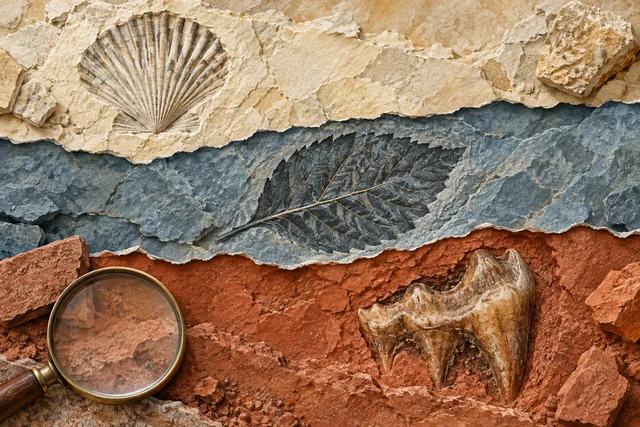
The address is Piazza degli Ottaviani 2 rosso, near Santa Maria Novella. Proximity to the station can make it convenient within a Florence day, but convenience is not a reason to squeeze it between two tight departures. Allow time for admission, your party’s pace and the onward journey. If a separate museum is part of the plan, Florence’s paleontology collection offers a contrasting use of scale: specimens are placed within geological time rather than an imagined railway landscape.
Choose the visit for the people taking it
Our Florence arts and events collection can help you compare other cultural options, without implying that a listed city tour includes HZERO. For a wider itinerary, Italy Tour Hub’s technology-museum guide suggests questions beyond simply naming machines. Here, one particularly good question is how a complex scene keeps your attention moving. Leave with a few details you can describe clearly. Remembering one miniature world well can be more satisfying than racing through every possible scene.
Sources & further reading
Turn a good read into a great day.
Find a highly rated Florentine experience that brings these stories to life.
Explore related experiences →