Boboli Gardens: How to Read a Renaissance Landscape
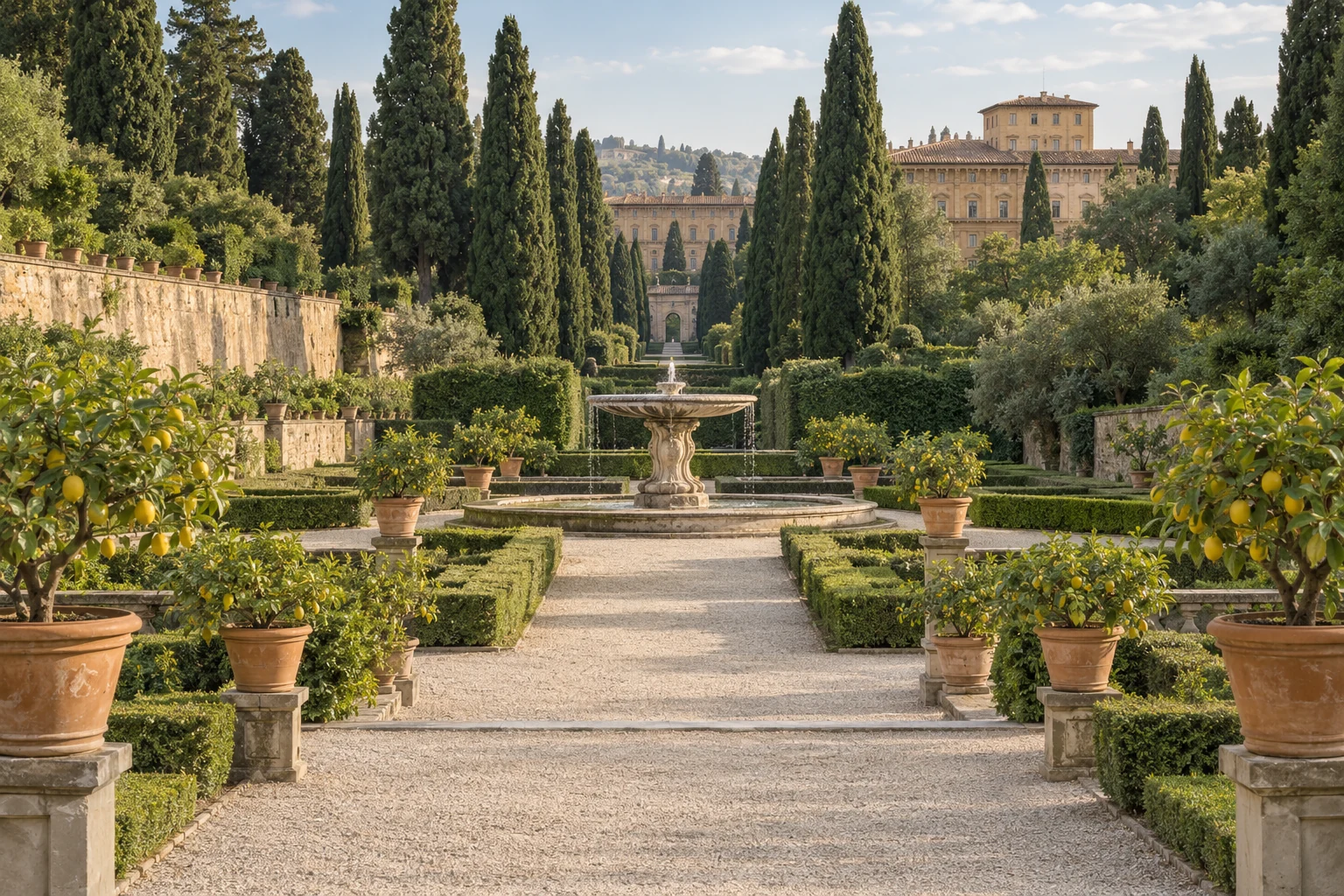
Boboli is a welcome change of texture after a morning of painted rooms: gravel underfoot, leaves overhead, and a view that shifts as you walk. Yet it is not simply a convenient patch of green behind a palace. It is a designed landscape, shaped by decisions about movement, display and perspective. Visiting with that idea in mind turns a pleasant garden walk into a way of understanding courtly ambition without spending the whole afternoon reading dates.
Start by noticing the design
The Medici developed Boboli behind Pitti Palace, and later ruling dynasties added to it. The Uffizi describes the garden as an outdoor museum, with formal spaces, sculpture, grottos and fountains. You do not need to identify every object to see the larger idea. Look for axes, framed views and changes in enclosure. Ask where a path draws your eye and where a hedge or turn delays the next view. The garden directs attention as deliberately as a room full of paintings.
Choose a small sequence of spaces rather than attempting every route. A broad opening, a shaded passage and a terrace can provide three very different experiences in a short walk. Compare how sound changes between them. Notice where the city becomes visible and where planting makes it seem far away. These observations are your own; they do not require a grand claim about what every historical visitor must have felt.
Remember that a garden is made over time
A historic garden contains more than its founding moment. Plants grow, fail and are replaced; paths change; buildings gain new uses. The official account of the Upper Botanical Garden describes successive botanical and horticultural arrangements rather than a single untouched Renaissance scene. That makes Boboli more interesting, not less. It is a place where maintenance and adaptation are part of the history you have come to see.
When you encounter restoration work or a closed area, resist treating it as evidence that the “real” garden is unavailable. Conservation helps the landscape continue to exist. Check the current official notices before visiting and choose a route around any limitations. Our history experiences include guided options when you want more context, but the itinerary should state which gardens or palace areas are actually included.
Plan for slopes and surfaces
The official visitor information warns that much of the terrain slopes and includes gravel or clay surfaces. Treat the visit as a walk with physical demands, not simply a museum room moved outdoors. Wear appropriate footwear, bring water, and match the route to your party’s energy and access needs. If you need an accessible route, consult the detailed official information and contact the venue about the specific entrances and paths relevant to your visit.
Weather changes the experience considerably. In heat, a shorter route with sensible pauses may be preferable to covering more ground. In poor weather, closures or altered access may apply. Check the current closing and last-entry times, which vary seasonally, rather than assuming an outdoor attraction stays open until sunset. A garden should be a restorative part of the day, not a race back to a distant gate as staff begin closing procedures.
Decide how much palace to add
Pitti Palace and Boboli are closely connected geographically, but combining them can make a substantial day. Do not assume that one ticket or one guided product includes every collection and garden space. Read the current admission details and consider your actual attention span. Someone who loves landscape may want more time outdoors; someone drawn to painting or interiors may prefer a shorter garden visit after the palace.
Our Pitti Palace introduction can help you choose. Build in a real meal or a rest between major parts of the visit, and avoid filling the evening with another demanding museum appointment. A day with fewer contrasting experiences is often easier to remember than one with many similar interiors followed by a hurried walk through greenery.
Leave with a new way of seeing
On your way out, notice one designed view you would have walked past at the beginning. Perhaps a path suddenly aligns with a distant feature, or a clipped edge makes a tree’s natural form more striking. That is the practical reward of paying attention to landscape design. You leave with more than a photograph of a garden: you gain a way of reading how outdoor spaces guide movement, create anticipation and make a city feel briefly very far away.
For another perspective, continue with How to Look at Renaissance Art Without an Art History Degree. It connects this visit with a different part of Florence and can help you choose what to give your time to next.
Sources & further reading
Turn a good read into a great day.
Find a highly rated Florentine experience that brings these stories to life.
Explore related experiences →