Florence’s historic cafés: how do you choose a coffee break with a story?

A historic café can be a small cultural visit with a drink attached. In Florence, the interesting question is not simply which establishment has the oldest date above its door. Ask what kind of break you want: a quick coffee, time to look at an interior, or a table from which to watch a square. Those choices affect your budget and your experience more directly than a list of illustrious former customers.
Start with a square, then choose a purpose
Piazza della Repubblica offers a useful introduction because several historic cafés face the same public space. Visit Tuscany’s account of Florence’s historic cafés connects Gilli, Paszkowski and Le Giubbe Rosse with the city’s cultural life. Writers and artists used cafés as places to meet and argue. This history adds another layer to a coffee stop, but it does not turn every table into an authenticated scene from a famous conversation.
Before choosing, decide what matters most today. If you want a seat and a pause, look at the current table menu. If you mainly want to taste a coffee, establish the available counter service. If an interior interests you, ask whether the relevant room is being used. A business may host private activity or have different arrangements across its spaces. An attractive doorway is an invitation to enquire, not a guarantee of unrestricted sightseeing.
Read a business history without freezing it in time
Gilli’s own historical account traces its beginnings to a Swiss family’s pastry business on Via dei Calzaiuoli in 1733. The present Piazza della Repubblica setting belongs to a later chapter. That distinction matters: an old founding date does not mean every chair, ceiling and recipe has remained unchanged since the eighteenth century.
Look for a detail you can actually describe: the curve of a counter, a lamp’s position, a mirror extending the room, or the way a window connects inside and outside. Then compare your observation with the business’s interpretation. You can enjoy the atmosphere without claiming that every surface is original. A café’s continuing life includes maintenance, changing customers and new menus; its history is not spoiled by the fact that somebody still has to run it.
Let the menu answer the coffee question
Paszkowski’s official coffee menu, checked on 4 November 2026, lists espresso, cappuccino, shakerato and several other preparations, alongside chocolate and more elaborate cold drinks. The useful lesson is variety. Choose the drink you actually want rather than treating your order as an examination in Italian identity. If a name is unfamiliar, ask what it contains and how it is served.
A short espresso and a drink built around coffee, cream and ice cream offer different experiences. Neither needs to stand in for the other. For a simple tasting exercise, notice aroma, temperature and texture before adding anything. You do not need specialist vocabulary: “lighter than expected” or “a pleasantly lasting bitterness” is a more useful memory than repeating a tasting note you cannot recognise.
Confirm current prices, service arrangements and any additions before ordering. An online menu may describe a drink without showing the price applicable to your chosen table. If dietary requirements matter, ask about the exact preparation rather than assuming that a listed alternative milk answers every ingredient question. Staff can explain the offer far better when the request is clear and specific.
Give the break enough room
A seated café visit is easiest to enjoy when it has a comfortable gap around it. Do not schedule the last sip two minutes before a timed museum entry. Allow for ordering, service and payment, then leave time to find the correct entrance at your next stop. Our one-day Florence guide helps keep those appointments from consuming every open moment.
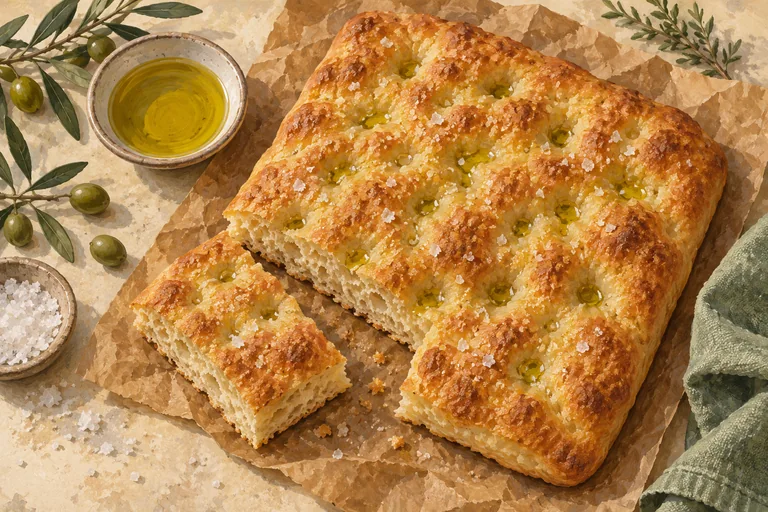
You can also make the stop a deliberate change of attention. After looking upwards at buildings, study one small object on the table. After a concentrated gallery visit, simply enjoy a conversation. Our Piazza della Signoria walk offers another central square to read at your own pace, while the schiacciata guide helps distinguish a coffee accompaniment from a substantial lunch.
Carry one good question into the next stop
Perhaps you leave wondering how an interior encourages conversation, or why a pastry shop became a literary meeting place. That is enough to make the break memorable. On a wider journey, compare the occasion with aperitivo in Milan, where the timing and purpose of the stop raise different questions. Explore our Florence dining experiences if you want a guided food outing, checking its stated stops and inclusions. A thoughtful café visit can remain wonderfully modest: one drink, one detail and a little time to enjoy both.
Sources & further reading
Turn a good read into a great day.
Find a highly rated Florentine experience that brings these stories to life.
Explore related experiences →