The Brancacci Chapel and the stories a fresco tells

The Brancacci Chapel rewards a different pace from a gallery packed with famous pictures. Here, painted stories belong to an architectural setting, and the relationship between scenes matters as much as an isolated detail. Rather than trying to recognize everything at once, begin with the room, then a group of figures, then one gesture that draws your attention.
This is a focused visit in Florence’s Oltrarno, not a small substitute for the Uffizi. Its scale invites sustained looking. A few well-chosen questions can help you appreciate it even if names and dates tend to blur after several museum days.
Know the outline before you enter
The official MUS.E introduction identifies the cycle as stories of Saint Peter commissioned by the merchant Felice Brancacci from Masolino and Masaccio in the 1420s. MUS.E’s longer historical account explains that Filippino Lippi completed the work several decades later. What you see is therefore a collaboration across different moments, rather than one artist finishing an entire room in a single campaign.
That outline is enough for a first encounter. Ask a guide or use the official interpretation to identify the scenes before assigning a story to a face. A raised hand may suggest speaking, pointing or a more specific action, but an appealing guess is not the same as recognizing the narrative.
Let your eye follow the action
Choose one scene and look for the person whose gesture seems to organize the others. Where do the surrounding figures look? Does the action gather at the center or move across the surface? You can make a tiny diagram using dots and arrows in your own notes, without attempting a copy of the painting. The aim is to notice relationships.
Next, observe the ground and architecture. How are the figures made to appear as if they share a space? Which lines seem to lead your eye inward? These questions work without specialist vocabulary. Our guide to looking at Renaissance art develops the same habit: describe a visible feature before deciding what it means.
If you are visiting with someone else, each choose a detail independently, then compare. One person may notice a hand while another notices a building or a patch of color. Returning to the scene after hearing another observation is often the most satisfying part of the exercise. You have acquired a second pair of eyes without needing to agree on a favorite painter.
Remember that a surviving surface has a history
MUS.E records that the chapel survived the serious church fire of 1771, although it suffered damage. More recently, its 2024 reopening announcement described the removal of the diagnostic and restoration scaffolding that had allowed unusually close viewing. Old photographs or articles about that special arrangement should not be read as a promise of scaffold access today.
Conservation is worth thinking about without turning every difference in color into a diagnosis. A visitor standing at a distance cannot reliably decide whether a pale patch represents wear, restoration, lighting or an original artistic choice. Ask what is documented. The history of care can be as interesting as the history of creation, but it deserves the same respect for evidence.
Choose the right kind of interpretation
The chapel offers an official audio guide, and MUS.E also lists guided activities. Check current availability and language options for your date. An audio guide may suit someone who likes to pause and repeat an explanation; a live guide can respond to the questions your group actually asks. Neither format removes the need for quiet time simply to look.
Confirm the admission arrangement and the location given in your booking, and leave time to arrive without rushing. Check current visitor guidance for any access needs, photography rules or restrictions. Avoid building your schedule around a duration found in an old article: a small space can have carefully managed entry conditions.
Leave the rest of Oltrarno unhurried
Afterward, use our slow Oltrarno walk to keep the day at a human pace. A coffee or a short neighborhood wander gives you time to talk about what you noticed. You do not need to attach another major museum immediately to make the journey worthwhile.
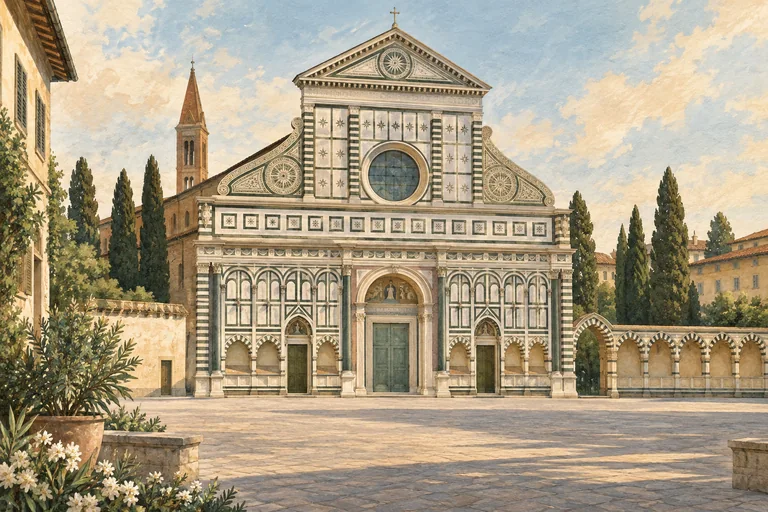
For a comparison on another day, Santa Maria Novella offers another way to consider painted space within a church setting. Browse Florence art and cultural experiences for guided options, checking the exact included venue rather than assuming every Renaissance tour visits the chapel. A successful Brancacci visit may end with one scene remembered clearly—and that is plenty.
Sources & further reading
Turn a good read into a great day.
Find a highly rated Florentine experience that brings these stories to life.
Explore related experiences →