Reading a slice of cantucci at a Florence bakery

Turn a cantuccio on its side before you bite into it. There is a rounded, golden edge on top and a flat bottom where a much larger piece of dough met the baking sheet. Across the cut face, a single almond sometimes looks like a tidy oval and sometimes like a splinter. The baker sliced a long baked strip on the diagonal. Much of what makes a Tuscan almond biscuit immediately recognizable at a Florence counter comes from that one movement of a knife.
Look for the whole name
A tray label might say cantucci, cantuccini or simply biscotti. The first two words can also form part of two specific protected names, Cantucci Toscani IGP and Cantuccini Toscani IGP. The English initials are PGI, for Protected Geographical Indication. Visit Tuscany’s product guide explains that the designation connects the biscuits with production in Tuscany and a checked specification. A bakery may also offer a house version under another name. Its merits are a separate question from whether it carries the designation.
In a shop, ask to see the packet if that distinction interests you. Take a moment to find the producer’s name, the full product name and the ingredients. A postcard of Florence on the wrapper tells you which city it evokes. The name and producer information tell you more about the food you have actually picked up. If you are buying a few loose pieces, ask whether they are sold by weight and whether you can choose a small quantity. You need very few to notice the result of the cut.
What a cross-section can tell you
The ingredients listed by the region include flour, sugar, eggs, butter, honey and whole unpeeled sweet almonds. The Regione Toscana product record gives the physical characteristics of the protected biscuit, including a maximum weight of 15 grams per piece. Look for the dark outline of almond skin around the pale flesh. Cutting through nuts at different angles gives adjoining biscuits slightly different faces. Identical-looking cross-sections would be an odd thing to expect from whole almonds distributed through a loaf.
Now compare the outer edge with the center. The outside met the oven heat as the surface of the log. The inside was exposed when the baker cut it. Take a bite from each part to see how the resistance changes. If you can, taste two pieces from the same batch before comparing two producers. A thin end slice and a thicker middle slice can give different impressions of the very same dough. That makes a more interesting tasting question than who has won an imaginary contest for crunchiest biscuit.
Order the biscuit and the drink separately in your mind
The producers’ consortium describes cantucci with tea or coffee as well as the traditional pairing with vin santo. You can order them plain and decide about a drink afterward. A menu that offers cantucci with vin santo is offering a particular combination. Ask about the portion and whether the wine is included in the listed price if that matters to your choice. A family sharing a plate might prefer to order drinks individually.
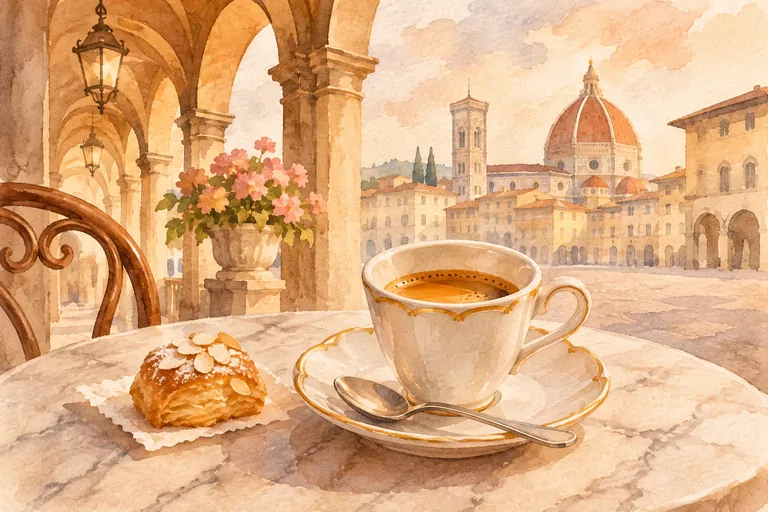
Try half a slice dry, then briefly dip the tip of the other half if you have a suitable drink. The amount of liquid taken up by the cut surface changes the texture, while the dry end gives your fingers something to hold. A long soak and a quick dip are two different tastings. There is no test of local manners here. The Florence historic café guide can help if a seated break appeals more than a bag of biscuits carried between stops.
Carrying a taste of Tuscany home
A biscuit tough enough to travel can still break at the almond. Ask for a box if the purchase has to survive a crowded bag. Keep the original ingredient and producer label with a gift, especially for someone who needs to check allergens. Almonds, wheat, eggs and butter are part of the protected product. Other goods made in the same bakery may raise additional questions that the person selling them is best placed to answer. For freshness and storage, follow the instructions on the package you buy.
If you enjoy sampling before choosing, the guide to Florence’s food markets can help you choose a neighborhood, and our introduction to a Florentine menu gives context for a dessert after a full meal. Read the actual stops when browsing Florence food experiences if a bakery visit is a priority. A cantuccio is also an easy independent purchase. Pull two adjacent slices apart on a napkin and see whether you can follow the same almond from one into the next. For a moment you can put the baker’s loaf back together.
Sources & further reading
Turn a good read into a great day.
Find a highly rated Florentine experience that brings these stories to life.
Explore related experiences →