Your First Uffizi Visit: How to Look Without Getting Overwhelmed
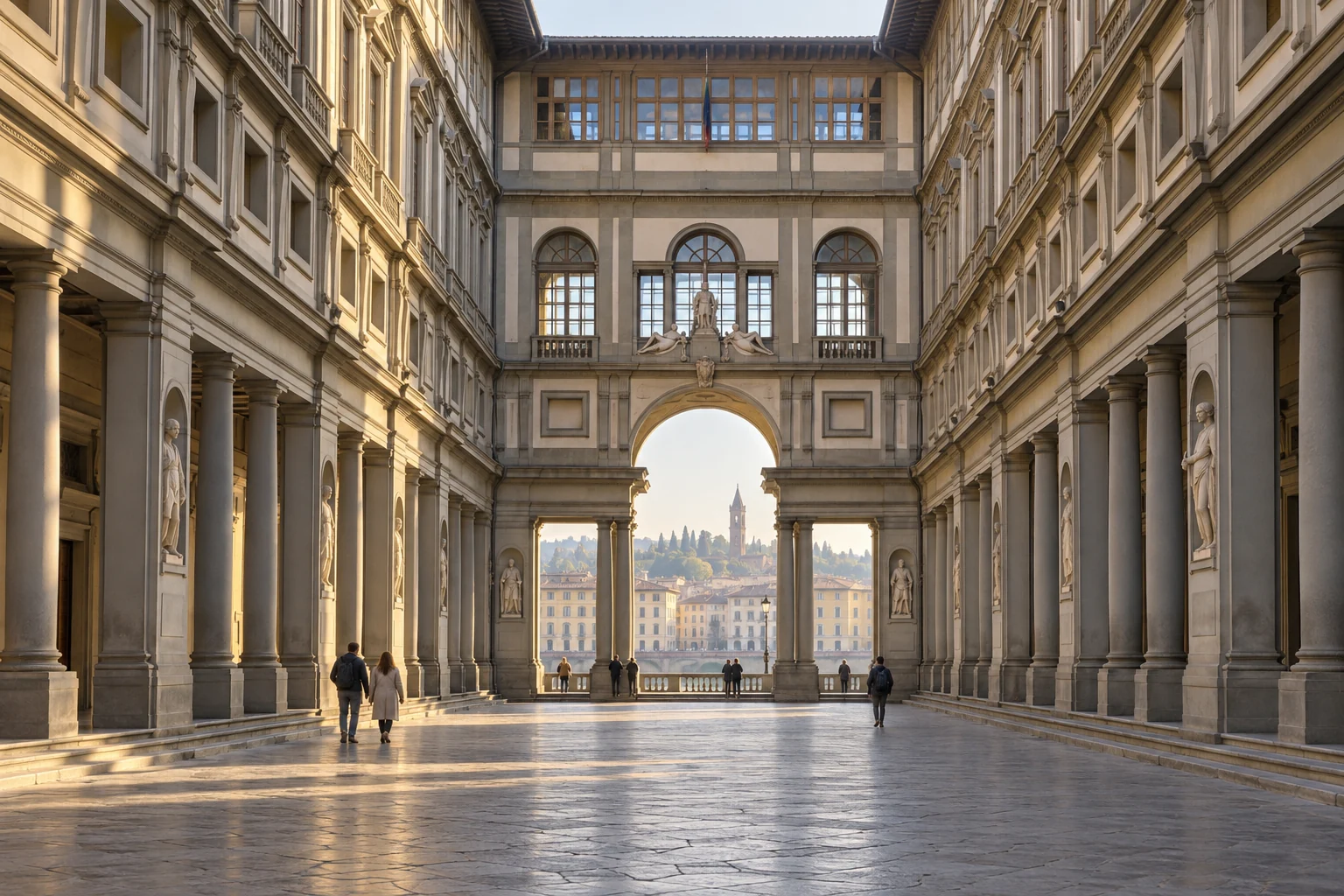
A first visit to the Uffizi can feel like entering a conversation that began centuries before you arrived. Famous names appear on every side, other visitors seem to know exactly where they are going, and the temptation is to hurry toward whatever looks most celebrated. Try a different approach. Choose a handful of works or a simple theme, and allow the museum to become a place for looking rather than a list to finish. You are not being examined afterward.
Give the visit a small, clear purpose
A useful theme might be how painters create depth, how faces express emotion, or how a sacred scene becomes part of a domestic-looking room. These questions are broad enough to work across several galleries but specific enough to direct your attention. If you are joining a guided visit, read its focus and group arrangements. If you are visiting independently, consult the official visitor map and current notices before deciding where to begin.
The collection extends far beyond a single room or artist. It includes medieval and Renaissance painting as well as sculpture and later works. That breadth is an invitation, not an obligation. Our Florence art experiences can help you compare introductory guided options, while our looking guide offers a few simple exercises you can use without a specialist vocabulary. The practical aim is to leave with several distinct memories.
Spend the first minute without reading
Stand at a respectful distance from a work and notice what attracts your eye. Is it a bright color, an unexpected gesture, a line of architecture, or the space between two figures? Then read the label and look again. This sequence helps information sharpen your observation rather than replace it. It also gives quieter works a chance to interest you before a famous name tells you what you are supposed to admire.
Botticelli’s Spring offers one possible exercise. The museum identifies a group of mythological figures in a planted setting, but you can first look at rhythm: the placement of hands, the repetition of flowing lines, the contrast between individual figures and the dark background. You do not need to settle every interpretation to notice how carefully the composition directs attention. A question about one visible detail is often a better starting point than a demand for the painting’s entire meaning.
Compare two works instead of chasing ten
Find a second picture that handles a similar problem differently. Botticelli’s Annunciation, for example, presents an encounter through strongly expressive gestures and a comparatively restrained setting. Compare the distance between the figures with the busier relationships in Spring. Keep the comparison modest: one arrangement, one color choice, one movement. You are developing a way of seeing, not claiming that two pictures explain an artist’s whole career.
A small notebook can be surprisingly useful. Write a phrase rather than a full description: “the hand pauses in the empty space,” or “the landscape pulls my eye behind the figures.” Do not block the route while writing, and follow the museum’s photography rules if you use your phone. A photograph may record what the picture looks like, but your note records what mattered to you at that moment.
Plan for the body as well as the mind
Museum fatigue is physical. Standing, moving with crowds and concentrating on small details all use energy. Start with a realistic duration, take permitted breaks, and resist adding another major collection immediately afterward. Confirm the museum’s current bag, security and accessibility information. A timed admission still requires you to understand where to go and when to arrive. Check closure notices for individual rooms or works rather than assuming every highlight is always on display.
Afterward, give the experience a change of texture. A walk by the Arno or lunch nearby can help impressions settle. If your next Italian stop is Milan, Milan’s day-planning guide is a useful reminder to organize another art day around a single main booking. Different collections reward the same generosity with time. More tickets do not automatically produce a more memorable journey.
Leave with permission to return
You will miss things. That is not a failure of planning; it is a normal result of visiting a major collection with a human attention span. Choose one work you would like to see again, note its artist and title, and read the museum’s account later. The Uffizi becomes less intimidating when you treat it as the beginning of a relationship rather than an assignment completed in one morning.
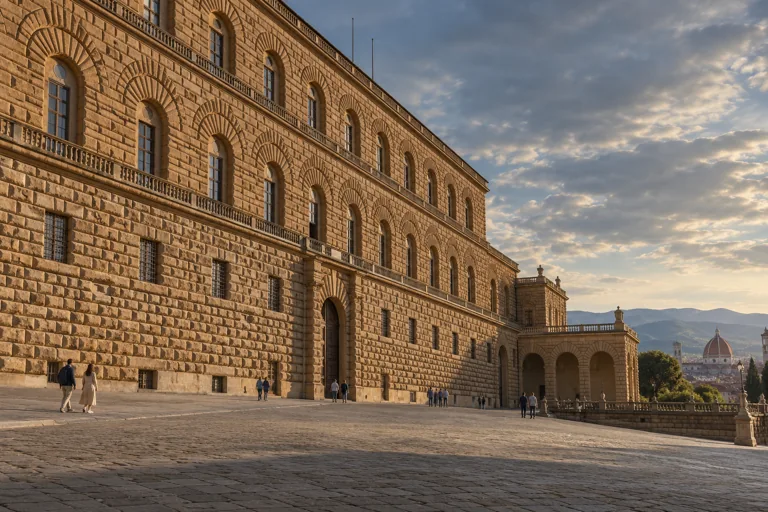
For another perspective, continue with Pitti Palace: More Than a Medici Address. It connects this visit with a different part of Florence and can help you choose what to give your time to next.
Sources & further reading
Turn a good read into a great day.
Find a highly rated Florentine experience that brings these stories to life.
Explore related experiences →